Important Things that Help You Reach Mount Kilimanjaro Summit
Important Things that Help You Reach Mount Kilimanjaro Summit
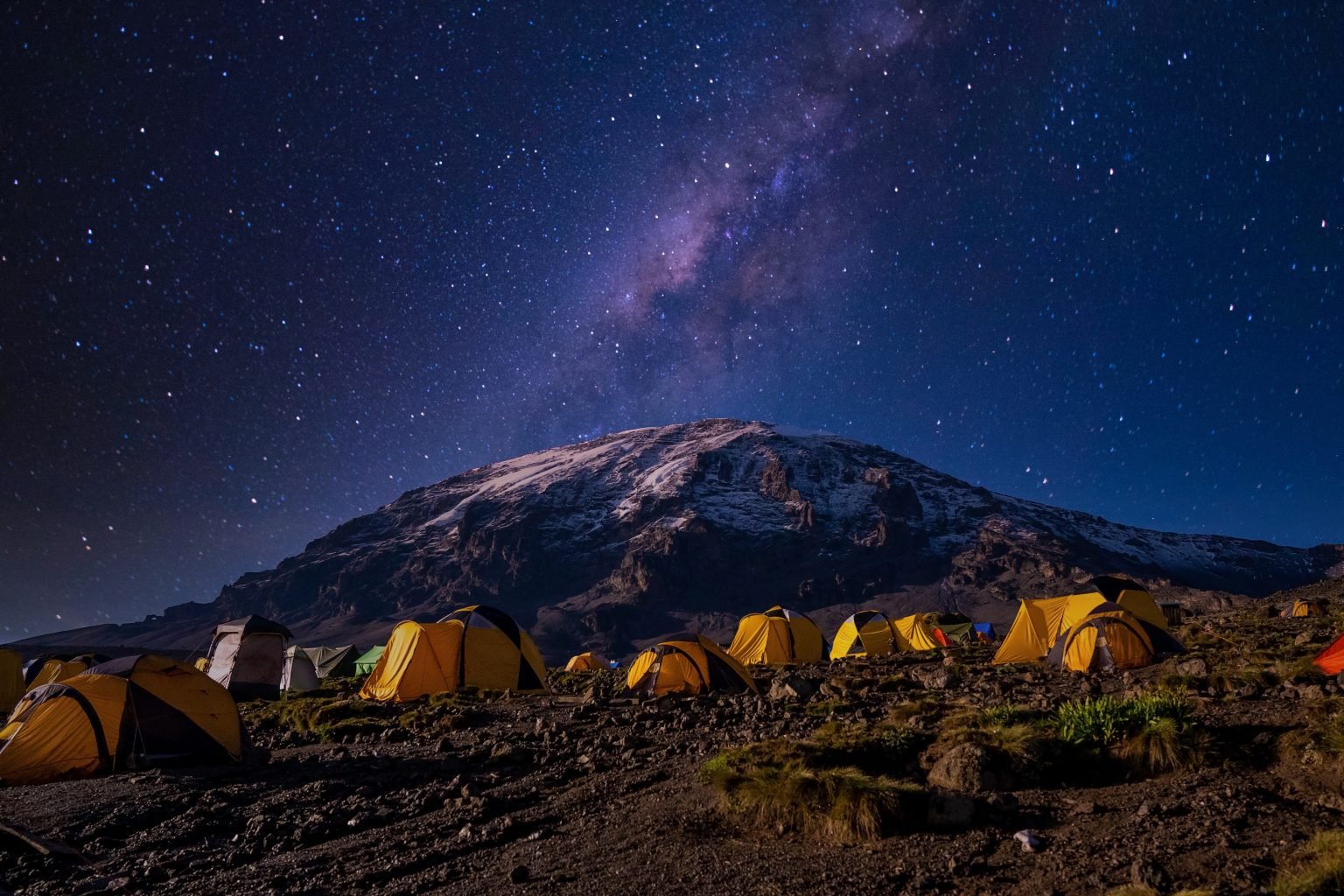
Reaching the summit of Mount Kilimanjaro the “Roof of Africa” at 5,895 meters (19,341 feet) is a life changing achievement. But it’s not luck that gets you there; it’s the combination of preparation, mindset, and the right support. This blog explores the most important factors that determine whether or not you’ll stand atop Uhuru Peak and enjoy that breathtaking sunrise over the clouds.
1. Choose the Right Route and Duration
Your route choice can make or break your summit success. Kilimanjaro offers several routes, each with different difficulty levels and acclimatization profiles.
- Lemosho Route (7–8 days): Great acclimatization and scenic beauty.
- Machame Route (7 days): Popular for its balance of challenge and success rate.
- Northern Circuit (8–9 days): Longest, most gradual route with the highest success rate.
Avoid very short routes (5–6 days), as the rapid ascent leaves little time for acclimatization, increasing the risk of altitude sickness.
2. Go “Pole Pole” The Power of Slow Walking
“Pole pole,” a Swahili phrase meaning “slowly, slowly,” is the most valuable advice you’ll hear on Kilimanjaro. Moving slowly allows your body to adjust to altitude changes, helps you conserve energy, and reduces fatigue. Those who rush often struggle with exhaustion and altitude sickness before reaching the summit.
3. Proper Acclimatization
Climbing too high too fast is one of the biggest reasons trekkers fail to summit. Acclimatization is your body’s way of adjusting to reduced oxygen levels.
Choose a route with built-in acclimatization days, follow the “climb high, sleep low” rule, and allow your body to adapt naturally. Remember, the slower your ascent, the greater your chances of success.
4. Mental Strength and Determination
While physical fitness is important, mental endurance is what truly gets you to the top. The final summit push often starting around midnight in freezing temperatures tests your determination more than your legs. Keeping a positive mindset, staying calm, and focusing on small steps forward can make the difference between turning back and standing on the summit.
5. Physical Fitness and Preparation
You don’t need to be an athlete to climb Kilimanjaro, but cardiovascular endurance, leg strength, and stamina are essential. Begin training at least two months before your climb with a mix of hiking, running, and strength workouts. Practice walking long distances on varied terrain while carrying a daypack it simulates the daily trekking experience.
6. Experienced Guides and Supportive Porters
Behind every successful summit is a skilled team of guides and porters. Guides monitor your health, pace the group, and provide motivation, while porters carry supplies and set up camp — allowing you to focus on the climb. Choose a reputable, licensed tour operator with experienced mountain staff who prioritize safety, care, and ethical treatment of their crew.
7. Proper Gear and Clothing
The right equipment can make your climb safer and more comfortable. Kilimanjaro spans five climate zones from humid rainforest to icy summit so layered clothing is essential. Make sure you have:
- A high-quality sleeping bag (rated to -10°C or below)
- Insulated jacket and gloves for summit night
- Sturdy waterproof boots and thick socks
- Headlamp with extra batteries for the midnight ascent
- Trekking poles to ease strain on knees and joints
A detailed packing list ensures you’re ready for every weather change.
8. Hydration and Nutrition
Drink 3–4 liters of water daily to prevent dehydration and altitude-related headaches. Eat well — even when you lose appetite at high altitudes. Carbohydrate-rich meals and energy snacks help maintain your strength and focus.
Avoid alcohol and excessive caffeine, which can cause dehydration and fatigue.
9. Adequate Rest and Sleep
Rest is vital for recovery and acclimatization. Try to get enough sleep each night and pace yourself throughout the day. Remember, Kilimanjaro is not a race slow, steady progress helps your body adjust and preserves energy for summit night.
10. Listen to Your Guides
Your guides are trained professionals who monitor oxygen levels, recognize early signs of altitude sickness, and make critical decisions for your safety. Trust their experience if they recommend slowing down, hydrating, or taking a rest, follow their advice without hesitation. Listening to your guides greatly increases your chances of reaching the summit safely.
Success on Kilimanjaro is not just about fitness it’s about preparation, patience, and teamwork. By choosing the right route, climbing slowly, training well, and listening to your guides, you give yourself the best possible chance to stand proudly on Uhuru Peak, watching the sunrise from the highest point in Africa.
Every step up Kilimanjaro is a lesson in resilience and respect for nature and reaching the summit is a reward that lasts a lifetime.

All Categories
Recent Posts
Which Kilimanjaro Route Is The Best
What Are The Best Time To Climb Mount Kilimanjaro
Important Things that Help You Reach Mount Kilimanjaro Summit
Tanzania/Kilimanajaro
Quick booking process
+255 735 154 181
+255 714 918 017