Essential Kilimanjaro Mountain Sickness Travel Tips
Essential Kilimanjaro Mountain Sickness Travel Tips
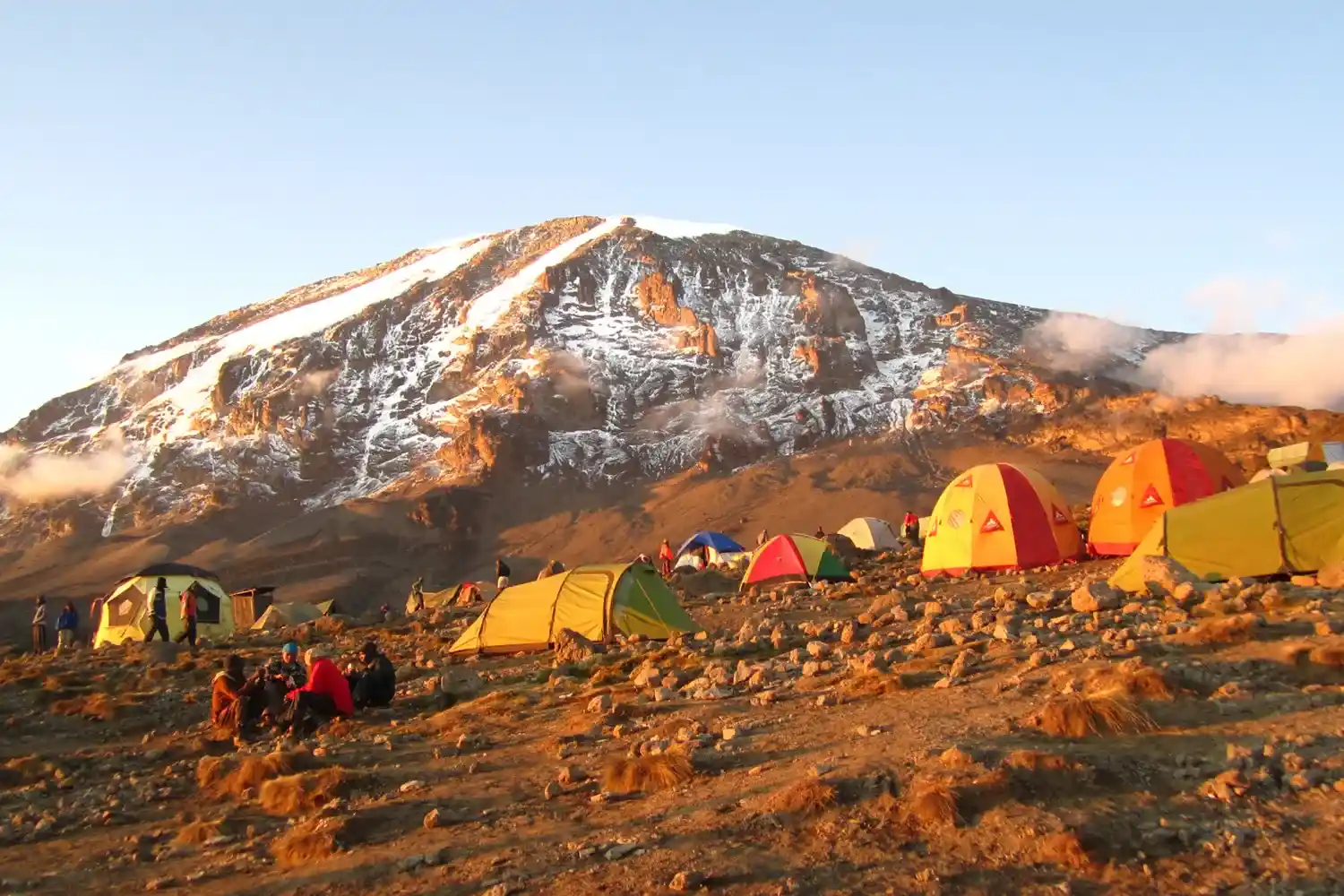
Climbing Mount Kilimanjaro is one of the most extraordinary adventures on Earth but the journey to the “Roof of Africa” isn’t just about endurance and excitement; it’s also about understanding and managing altitude sickness. At 5,895 meters (19,341 feet), Kilimanjaro’s rapid gain in elevation presents a real challenge to the human body. Even the fittest trekkers can experience the effects of altitude.
This blog offers essential mountain sickness travel tips to help you prepare, prevent, and respond effectively to altitude-related symptoms ensuring a safe, successful, and enjoyable trek.
1. Understanding Altitude and Mountain Sickness
Altitude sickness, also known as Acute Mountain Sickness (AMS), occurs when your body struggles to adjust to lower oxygen levels at higher elevations. On Kilimanjaro, trekkers ascend from tropical forests to the thin air of the arctic zone in less than a week making acclimatization essential.
Common symptoms include headaches, nausea, dizziness, fatigue, and loss of appetite. Severe forms, such as HAPE (High Altitude Pulmonary Edema) or HACE (High Altitude Cerebral Edema), can be life-threatening if ignored.
2. The Golden Rule: “Climb High, Sleep Low”
Kilimanjaro itineraries are designed with acclimatization in mind. Routes that include extra days for gradual ascent like Lemosho or Northern Circuit greatly improve success rates. The “climb high, sleep low” principle helps your body adjust by exposing it to higher altitude during the day, then allowing recovery at lower elevation overnight.
3. Choose the Right Route and Duration
Quick ascents increase the risk of altitude sickness. The best routes for proper acclimatization are:
- Lemosho Route (7–8 days) – Long, scenic, and gradual.
- Machame Route (7 days) – Great balance of challenge and adaptation.
- Northern Circuit (8–9 days) – The best success rate and least crowding.
Avoid short 5–6 day climbs unless you have prior high-altitude experience.
4. Go “Pole Pole” (Slowly, Slowly)
The Swahili phrase “pole pole” meaning slowly, slowly is the golden mantra of Kilimanjaro. Walking slowly allows your body time to adapt, reduces breathlessness, and conserves energy. Trekkers who rush the climb are far more likely to experience severe altitude symptoms.
5. Stay Hydrated
Drink at least 3–4 liters of water daily. Dehydration worsens altitude symptoms and slows acclimatization. Avoid excessive caffeine or alcohol, as they can cause dehydration. Using electrolyte tablets can help maintain energy and hydration balance.
6. Eat Well and Keep Your Energy Up
Loss of appetite is common at altitude, but eating is essential for strength and acclimatization. Your body burns more calories at high elevations, so prioritize carbohydrates, soups, and snacks even if you don’t feel hungry. Mountain cooks prepare balanced meals to help you refuel take advantage of them.
7. Recognize the Symptoms Early
Learning to recognize altitude sickness symptoms early can save your climb and your life.
Mild AMS: Headache, insomnia, tiredness, shortness of breath.
Moderate AMS: Nausea, dizziness, loss of coordination.
Severe AMS (HAPE/HACE): Shortness of breath at rest, confusion, inability to walk, coughing pink froth.
If symptoms worsen, descend immediately and inform your guide. Guides are trained to monitor oxygen levels and make safety decisions.
8. Medication and Preventive Options
Some trekkers use acetazolamide (Diamox) to aid acclimatization. It helps the body adjust faster to altitude by stimulating breathing and reducing fluid buildup. Always consult your doctor before use. Other helpful medicines include ibuprofen for headaches and anti-nausea tablets for mild symptoms.
9. Listen to Your Guide
Your Kilimanjaro guides are trained in altitude safety, first aid, and rescue procedures. They monitor your oxygen saturation daily and watch for any changes in condition. Trust their judgment if they recommend rest or descent, it’s always for your safety.
10. Rest, Breathe, and Stay Positive
Altitude affects both the body and the mind. Anxiety, sleeplessness, and fatigue are normal. Staying calm, breathing deeply, and maintaining a positive mindset can make a huge difference in your comfort and confidence on the climb.
Remember, summiting is optional — coming down safely is mandatory.
Altitude sickness is the biggest challenge on Mount Kilimanjaro but it’s also one of the most manageable with the right preparation and attitude. By climbing slowly, staying hydrated, eating well, and listening to your body, you can dramatically improve your chances of reaching Uhuru Peak safely and successfully.
This blog serves as a practical guide for trekkers aiming to conquer Africa’s highest mountain reminding them that true success lies not only in reaching the summit, but in respecting the mountain, your body, and the journey itself.

All Categories
Recent Posts
Which Kilimanjaro Route Is The Best
What Are The Best Time To Climb Mount Kilimanjaro
Important Things that Help You Reach Mount Kilimanjaro Summit
Tanzania/Kilimanajaro
Quick booking process
+255 735 154 181
+255 714 918 017