Essential Kilimanjaro Packing List for a Safe and Successful Climb
Essential Kilimanjaro Packing List for a Safe and Successful Climb
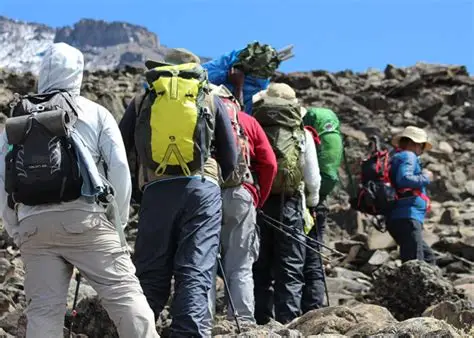
Preparing the right gear is one of the most crucial steps toward a successful Mount Kilimanjaro climb. The mountain’s diverse climate zones from humid rainforest to icy summit demand proper equipment, clothing, and organization. This blog provides trekkers with a complete Kilimanjaro packing guide, explaining exactly what to bring (and why) to stay warm, dry, safe, and comfortable throughout the expedition.
Whether you’re trekking the scenic Lemosho Route or the classic Machame Route, being well-prepared ensures that you can focus on the journey rather than struggle with gear issues or discomfort.
1. Understanding Kilimanjaro’s Climate and Why Packing Matters
Kilimanjaro is unique because climbers experience five distinct climate zones in just a few days each with dramatic changes in temperature, humidity, and terrain. Starting in tropical rainforest and ending in an arctic-like summit, trekkers face conditions ranging from +30°C to -15°C. Packing properly is not just about comfort it’s a matter of safety and endurance.
2. Clothing: Layering for All Conditions
The key to dressing for Kilimanjaro is layering combining different clothing types to adapt to changing temperatures.
Base Layers (Moisture Control):
- 2–3 moisture-wicking shirts (synthetic or merino wool)
- Thermal long underwear for summit nights
Mid Layers (Insulation):
- 1 fleece jacket or lightweight down jacket
- Insulated trekking pants
Outer Layers (Weather Protection):
- Waterproof and windproof shell jacket (GORE-TEX or similar)
- Waterproof pants
Accessories:
- Warm hat, sun hat, neck gaiter or buff
- Liner gloves and insulated waterproof gloves
- Gaiters to keep dirt and snow out of boots
Layering allows trekkers to add or remove pieces as temperatures shift dramatically between zones.
3. Footwear and Socks
Your feet are your most important tool on Kilimanjaro. Choose gear that keeps them dry, warm, and blister-free.
- Trekking boots: Waterproof, broken-in, and with good ankle support.
- Camp shoes: Lightweight sneakers or sandals for relaxing at camp.
- Socks: 3–4 pairs of moisture wicking hiking socks and 1–2 pairs of thermal socks for summit night.
- Gaiters: Protect against dust, mud, and snow.
4. Sleeping Gear
Cold nights require proper insulation to recover energy.
- Sleeping bag: Rated for at least -10°C (down or synthetic).
- Sleeping bag liner: Adds extra warmth and hygiene.
- Inflatable pillow or small stuff sack filled with clothes.
5. Trekking Equipment
The right trekking accessories enhance comfort and safety:
- Adjustable trekking poles (reduce knee strain and improve balance).
- Headlamp with spare batteries (essential for summit night).
- Daypack (30–40L) to carry water, snacks, camera, and layers.
- Duffel bag (80–100L) for porters to carry your main gear (waterproof cover recommended).
6. Hydration and Nutrition
Staying hydrated helps prevent altitude sickness.
- 2–3L hydration bladder or water bottles (insulated for cold nights).
- Water purification tablets or filters.
- Energy snacks such as nuts, dried fruit, or electrolyte tablets.
7. Health and Personal Items
- Personal first-aid kit: Includes painkillers, blister plasters, altitude medication (if prescribed), antiseptic, and bandages.
- Sunscreen (SPF 50+), lip balm with UV protection, and insect repellent.
- Toiletries: Biodegradable soap, toothbrush, small towel, wet wipes, and toilet paper.
- Medications: Carry essential prescriptions and altitude prevention tablets.
8. Electronics and Extras
- Camera or phone (with power bank or solar charger).
- Sunglasses (UV-protected) to prevent snow blindness.
- Notebook and pen for journaling your experience.
- Plastic bags or dry sacks to separate wet and dry clothing.
9. Documents and Money
Keep important documents safe and accessible.
- Passport and Tanzanian visa.
- Travel insurance certificate (with high-altitude coverage).
- Cash (USD) for tips, souvenirs, or emergencies.
10. Optional but Useful Items
- Lightweight camp towel
- Hand warmers for summit night
- Buff or balaclava for dust and cold
- Earplugs for better sleep at camps
Packing smart for Kilimanjaro means balancing lightweight efficiency with preparedness for extreme conditions. Every item should serve a purpose warmth, comfort, or safety. A well packed trekker can adapt to the mountain’s changing moods, conserve energy, and focus on enjoying the experience rather than battling discomfort.
By following this comprehensive packing list, you’ll set yourself up for a safe, confident, and successful Kilimanjaro climb ready to conquer Africa’s highest peak and embrace every unforgettable moment along the way.

All Categories
Recent Posts
Which Kilimanjaro Route Is The Best
What Are The Best Time To Climb Mount Kilimanjaro
Important Things that Help You Reach Mount Kilimanjaro Summit
Tanzania/Kilimanajaro
Quick booking process
+255 735 154 181
+255 714 918 017