What Are The Important Tips to Know Before Trekking Mount Kilimanjaro
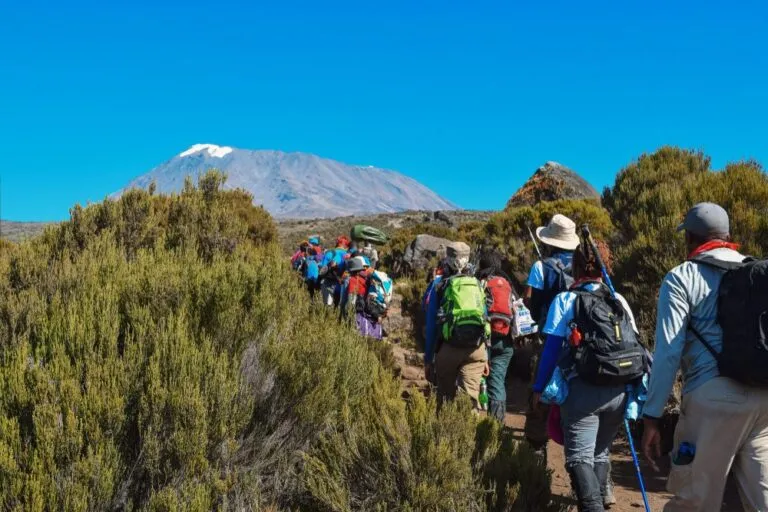
What Are The Important Tips to Know Before Trekking Mount Kilimanjaro
Climbing Mount Kilimanjaro is one of the most rewarding adventures on the planet a once in a lifetime journey that challenges both body and spirit. But success on Africa’s highest peak doesn’t come by chance; it comes from careful preparation, awareness, and the right mindset. This blog provides trekkers with essential tips to ensure a safe, comfortable, and successful climb to the summit of Uhuru Peak. From choosing the right route to mastering altitude adjustment, every detail matters when facing this legendary mountain.
1. Choose the Right Route for You
Kilimanjaro offers several trekking routes, each with its own scenery, difficulty level, and acclimatization profile.
- Machame Route – Popular for its scenic beauty and gradual climb.
- Lemosho Route – Offers great acclimatization and fewer crowds.
- Marangu Route – Known as the “Coca-Cola Route,” with hut accommodation.
- Rongai Route – The only route approaching from the north, with quieter trails.
- Umbwe Route – The steepest and most direct, best for experienced trekkers.
Choosing the right route according to your fitness, experience, and available days greatly increases your chances of success.
2. Train and Prepare Physically
While Kilimanjaro doesn’t require technical climbing skills, it demands good physical endurance. Training for several weeks beforehand focusing on cardio, hiking, and leg strength helps your body adjust to long trekking hours and steep terrain. Simulating hikes with a backpack and walking on uneven ground can make a big difference once you’re on the mountain.
3. Acclimatize Properly
Altitude sickness is the most common reason climbers fail to reach the summit. The key is to climb slowly, follow the “pole pole” (slowly, slowly) rule, and choose routes with extra acclimatization days. Guides monitor your health daily, but listening to your body, drinking plenty of water, and getting enough rest are crucial for a safe ascent.
4. Pack the Right Gear
Kilimanjaro’s weather changes dramatically from tropical heat to freezing cold. Packing the right gear ensures comfort and protection:
- Base Layers: Moisture-wicking clothing.
- Insulation Layers: Fleece or down jacket.
- Outer Shell: Waterproof and windproof jacket and pants.
- Good Boots: Waterproof trekking boots with ankle support.
- Accessories: Gloves, hat, gaiters, sunglasses, and trekking poles.
Packing light but smart helps you stay organized and mobile during the trek.
5. Stay Hydrated and Eat Well
Dehydration and lack of energy can slow you down quickly. Drink at least 3–4 liters of water daily and eat the hearty meals prepared by your mountain crew. Food is your fuel even when you’re not hungry, eating helps maintain strength and body heat at higher altitudes.
6. Dress in Layers
Temperatures on Kilimanjaro vary drastically between zones. Layering helps regulate your body temperature as conditions change. You’ll start in warm rainforest humidity and end in freezing summit winds layering allows flexibility and comfort throughout the climb.
7. Mental Preparation is Key
Reaching Uhuru Peak is as much a mental challenge as it is a physical one. There will be moments of fatigue, cold, and doubt especially during the final summit push. Maintaining a positive attitude, staying focused on your goal, and trusting your guides will help you push through when it matters most.
8. Choose a Reliable and Ethical Operator
A professional trekking company ensures your safety, comfort, and success. Look for certified guides, proper safety equipment, and ethical treatment of porters. Responsible operators follow regulations set by the Kilimanjaro Porters Assistance Project (KPAP) and Tanzania National Parks Authority (TANAPA) to guarantee fair conditions and sustainable trekking.
9. Travel Insurance and Health Precautions
Always have comprehensive travel insurance that covers high-altitude trekking and medical evacuation. Before your trip, consult your doctor for vaccinations, malaria prevention, and advice on altitude medication like acetazolamide (Diamox).
10. Enjoy the Journey
Beyond the summit lies an incredible experience walking through rainforests, spotting wildlife, witnessing stunning sunsets, and connecting with local culture. Every step is part of a story you’ll remember for a lifetime
Trekking Mount Kilimanjaro isn’t just about reaching the summit it’s about preparation, patience, and respect for the mountain. By following these important tips, you’ll give yourself the best chance to reach Uhuru Peak safely and enjoy the adventure of a lifetime.
Kilimanjaro rewards those who climb with humility, determination, and awareness reminding every trekker that the real victory lies not only in the view from the top but in the journey itself.

All Categories
Recent Posts
Which Kilimanjaro Route Is The Best
What Are The Best Time To Climb Mount Kilimanjaro
Important Things that Help You Reach Mount Kilimanjaro Summit
Tanzania/Kilimanajaro
Quick booking process
+255 735 154 181
+255 714 918 017